July 16, 2026
As the invisible workforce that keeps our indoor environments comfortable, HVAC systems are integral to modern living. These systems regulate temperature, humidity, and air quality, making residences and commercial spaces habitable and energy-efficient. Local HVAC companies play a crucial role in the installation, maintenance, and repair of these systems. Consumers benefit immensely from understanding how HVAC systems work and choosing the right company to partner with to ensure their system's longevity. This article endeavors to equip you with invaluable insights about HVAC systems and guide you in selecting a reliable local HVAC service provider.
Understanding HVAC Systems
What is HVAC?
HVAC stands for Heating, Ventilation, and Air Conditioning, which are the key aspects of climate control in residential and commercial buildings. These systems are designed to maintain comfortable indoor environments regardless of weather conditions outside. Heating involves warming the building during colder months, typically achieved through furnaces or heat pumps. Ventilation ensures the exchange of indoor and outdoor air, removing excess moisture, smoke, odors, and airborne bacteria. Air conditioning involves cooling and dehumidifying the indoor air, essential in hotter climates to maintain indoor comfort and prevent heat-related illnesses.
Main Components of HVAC Systems
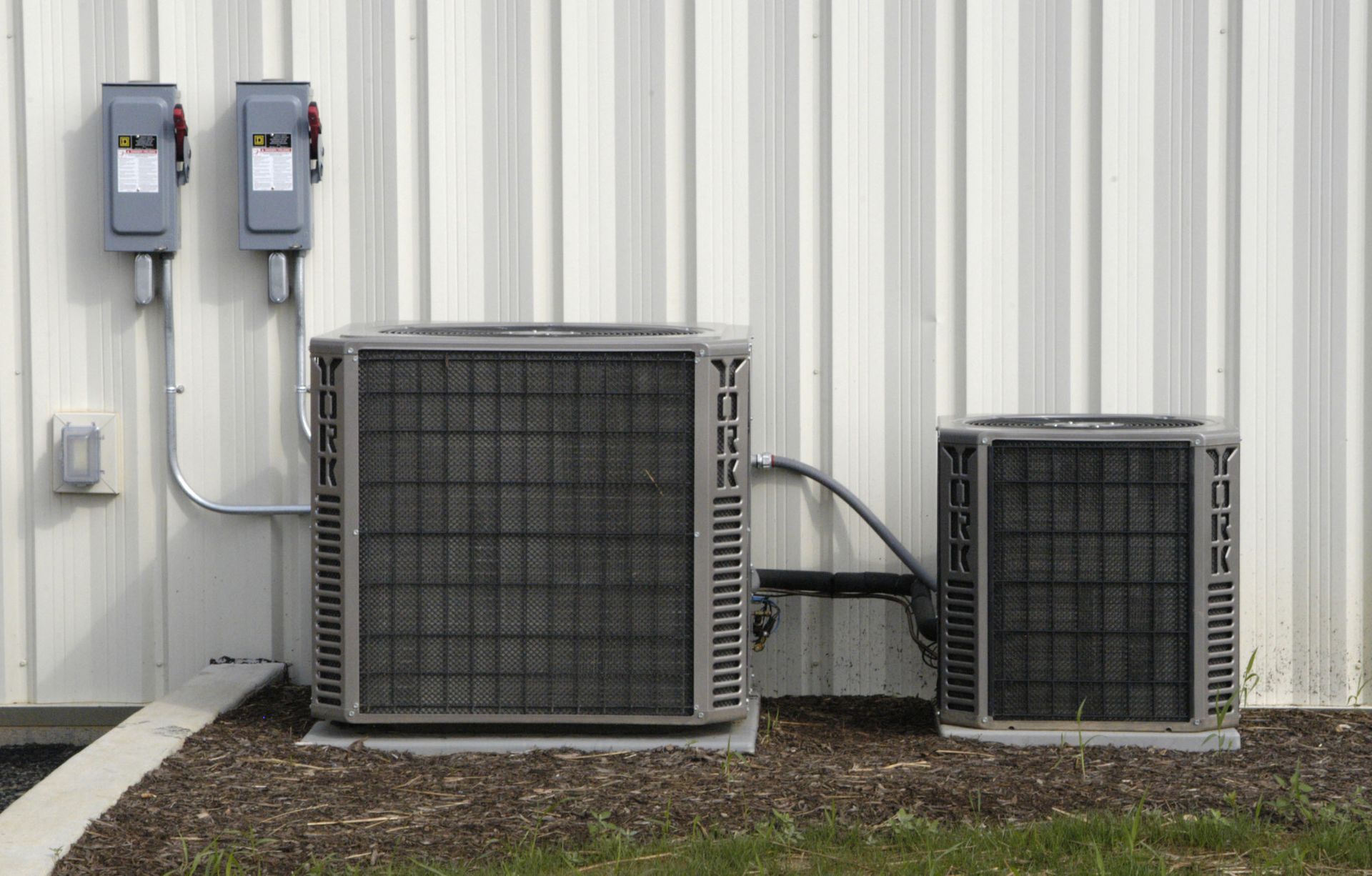
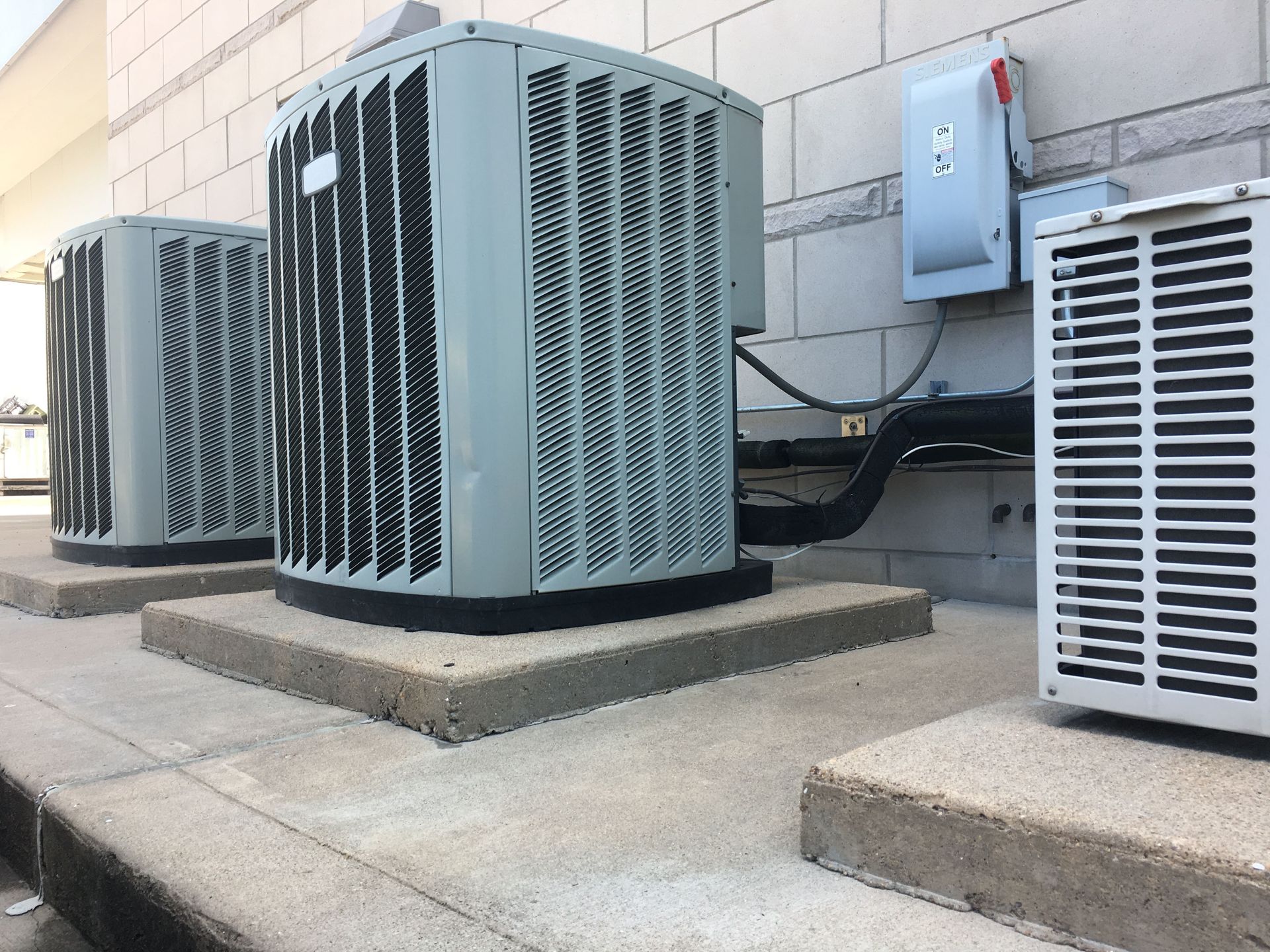
The main components of an HVAC system include the furnace, air conditioner, ductwork, and thermostat. The furnace is the key element for heating and is usually located in the basement or a specially designed closet. Air conditioners work alongside the furnace but with the opposite function of cooling and are typically located outside the building. Ductwork refers to the system of ducts used to distribute heated or cooled air throughout the structure. The thermostat is a control system that signals the HVAC system to heat or cool the air to maintain an optimal indoor temperature set by the user.
Types of HVAC Systems
There are numerous types of HVAC systems, each tailored to varying needs of buildings and climates. Centralized systems, which combine heating, ventilation, and cooling into one unit, are common in large buildings where uniform temperature control is needed. Other choices include split systems, ductless systems, and packaged systems that cater to specific space and budgetary requirements. Split systems are the most common residential setups, with one unit inside for air delivery and a separate unit outside for heat exchange. Ductless systems are ideal for retrofitting due to their minimal invasiveness and flexibility in providing zoned heating and cooling.
Common HVAC Technologies
Various technologies underpin modern HVAC systems, enhancing energy efficiency and operational effectiveness. Variable Refrigerant Flow (VRF) systems utilize advanced inverters and refrigerants to tailor cooling and heating to meet space requirements. Smart thermostats have become prevalent, enabling users to control HVAC settings remotely while optimizing energy consumption. Additionally, the integration of sensors in HVAC systems allows for more precise air quality monitoring, ensuring healthier indoor environments. Technologies such as geothermal heat pumps are also gaining traction due to their environmentally friendly profile and ability to provide sustainable, year-round climate control.
The Role of Energy Efficiency
Energy efficiency is a significant consideration in the modern HVAC landscape, given the environmental and financial implications of energy consumption. Efficient HVAC systems reduce a residential or commercial building's carbon footprint by minimizing energy waste. They also provide cost savings over time through lowered utility bills. Energy efficiency ratings like SEER (Seasonal Energy Efficiency Ratio) guide consumers in selecting air conditioners that perform well with less power. However, despite the availability of efficient systems, preventing wastage through regular maintenance is crucial, yet only about 30% of those concerned about their HVAC's condition schedule preventative maintenance, according to WorkYard.
Choosing a Local HVAC Company
Researching Potential Companies
Choosing the right HVAC company starts with thorough research, which lays the foundation for a well-informed decision. Start by making a list of local HVAC companies and gathering basic information from their websites about the services they offer. Check for detailed information about their experience, pricing structures, and specific services. Local online directories and Better Business Bureau reports can provide valuable background checks on the companies. Prior research also allows you to prepare relevant questions that will help gauge the company’s level of service and professionalism.
Reading Reviews and Testimonials
Customer reviews and testimonials provide firsthand insight into the level of service an HVAC company provides. Extensive positive reviews often indicate a company's reliability and customer satisfaction, while recurring complaints should be taken as red flags. Look for specific feedback about the timeliness, professionalism, and skill levels of the company's technicians. Many companies feature customer testimonials on their websites; however, supplementary reviews from independent platforms are advisable for an unbiased perspective. Social media channels can also serve as platforms to see how companies interact with their clients and address complaints.
Assessing Credentials and Certifications
Credentials and certifications are critical indicators of a company's legitimacy and expertise in HVAC services. An ideal HVAC company should have certifications from respected industry associations like the North American Technician Excellence (NATE) or the Air Conditioning Contractors of America (ACCA). These certifications ensure the company meets the technical and ethical standards set by the industry. Additionally, check if the company’s technicians have up-to-date training and licenses to handle new technologies and systems. Proper credentials build trust and signify a company's commitment to maintaining the highest level of service quality.
Comparing Price Estimates
Price estimates enable you to assess which company offers the most value, not just the lowest bid, as HVAC services can be a significant investment. Obtain detailed quotes from several companies, clearly outlining the scope of work and costs involved. Be wary of prices that significantly differ from the average, as low prices could compromise service quality or conceal hidden fees. Ensure that each estimate provides a breakdown of labor, parts, and other fees for transparency. A comparative analysis of estimates will help identify which company offers a fair price while promising high-quality service.
Checking for Insurance and Licensing
Ensuring insurance and licensing protect you as a consumer from liabilities and ensure ethical business practices. An HVAC company should have adequate worker’s compensation and liability insurance to cover any potential accidents or damage during service. Licensing ensures the company complies with local safety codes and regulations while performing installations or repairs. Don’t hesitate to ask the company for proof of insurance and licensing before contracting their services. This step is crucial to avoid legal entanglements and ensure that high service standards are consistently met.
Services Offered by HVAC Companies
Installation Services
HVAC companies typically offer comprehensive installation services that guarantee efficient system setup. They start by assessing the building’s heating and cooling requirements and recommending appropriate systems tailored to those needs. This process involves selecting the right size and type of HVAC system to ensure optimal performance and energy efficiency. The installation process is crucial, as improper setup can lead to higher energy costs and early system failures. An experienced HVAC team ensures that all components are correctly connected, calibrated, and functionally tested to meet industry standards.
In conclusion, understanding HVAC systems and selecting the right local HVAC company are crucial for maintaining a comfortable and efficient indoor environment. Informed consumers can ensure they receive value for their investments by making educated decisions about system installations, services, and maintenance. Be sure to reach out to A-C Specialties, Inc today to learn more about our professional local HVAC companies!