October 14, 2026
Customizing an HVAC solution is not just about fixing issues; it's about optimizing systems to suit the unique characteristics of a space. By considering the specifics of a building and the preferences of its occupants, HVAC companies can provide tailored solutions that enhance comfort, efficiency, and sustainability. This article delves into these evaluation processes, highlighting how decisions are made to align both with customer needs and technological advancements.
Understanding Your Current HVAC System
System Age Assessment
The age of an HVAC system is a significant determinant of its efficiency and compatibility with newer technologies. Older systems may lack the features that modern energy-efficient models offer, which can lead to higher operational costs and less effective temperature control. A thorough age assessment helps companies identify when an upgrade might be due. Even if the system appears functional, advancements in HVAC technology may provide compelling reasons to consider replacement. Regularly evaluating the age of a system is the first step in ensuring that a building remains comfortable and efficient in its energy consumption.
In addition to technological features, the longevity of system components comes into question as wear and tear take their inevitable toll. Parts like compressors and blowers may operate sub-optimally, leading to increased energy consumption and decreased comfort levels. By comparing system age with the latest models, an HVAC company can determine potential return on investment for upgrading parts or the entire system. Given that energy savings can be significant with newer units, reassessing an older system's value becomes crucial. Repair costs on older systems can also become prohibitively expensive over time, making replacement a more economically sound option.
Furthermore, newer systems are often better equipped to handle varying environmental conditions and usage patterns. A system past its prime is not only prone to frequent breakdowns but might also struggle to maintain consistent temperatures during extreme weather conditions. Considering that 9 out of 10 homes in the U.S. are under-insulated, according to the ENERGY STAR Program, older systems have to work even harder, exacerbating inefficiencies. By aligning system age with these considerations, HVAC professionals can provide solutions that ensure longevity and efficiency. Understanding these dynamics forms the foundation for informed decision-making in HVAC evaluation.
Existing System Performance
Performance assessment of the existing HVAC system is essential to determine its efficiency and serviceability. This involves scrutinizing current system performance with regard to maintaining stable temperatures, minimizing breakdowns, and overall operational efficacy. Systems that exhibit inconsistent temperature control or require frequent repairs suggest underlying inefficiencies that need addressing. The evaluation process also considers the energy performance index of existing units, typically highlighting gaps in operational standards. The goal is to close these gaps to improve energy efficiency and prolong the system's lifespan.
By documenting existing system deficiencies, HVAC companies can develop strategic approaches to enhance performance. Each identified issue provides valuable insight into what areas need improvement, whether through maintenance, system updates, or full replacement. A systematic review process can highlight parts of the system that still hold value, offering a balanced approach between keeping functional components and upgrading necessary ones. Proper documentation and assessment equip an HVAC company to tailor bespoke truths to meet specific building requirements.
Maintenance History Evaluation
Evaluating the maintenance history of an HVAC system reveals persistent issues and allows for strategic planning in overcoming them. By examining past maintenance records, an HVAC company can identify recurring failures or weaknesses associated with the system. Understanding the frequency and nature of repairs provides insights that inform decision-making on whether repair or replacement is more feasible. Consistent patterns in maintenance may point to a systemic issue, needing a comprehensive evaluation to prevent recurrence.
A detailed record of maintenance histories is critical in forecasting potential future issues and the corresponding preparation required. Systems with extensive histories of costly maintenance may justify an upgrade rather than perpetual patch-ups. Leveraging maintenance data allows HVAC companies to prevent trivial issues from escalating into larger system failures. Therefore, evaluating maintenance records is a diagnostic tool to assess HVAC reliability comprehensively. It acts as a timeline that clinicians use to get the complete picture before deciding on the best course of action.
Conducting a Thorough Inspection
Visual Inspection of Equipment
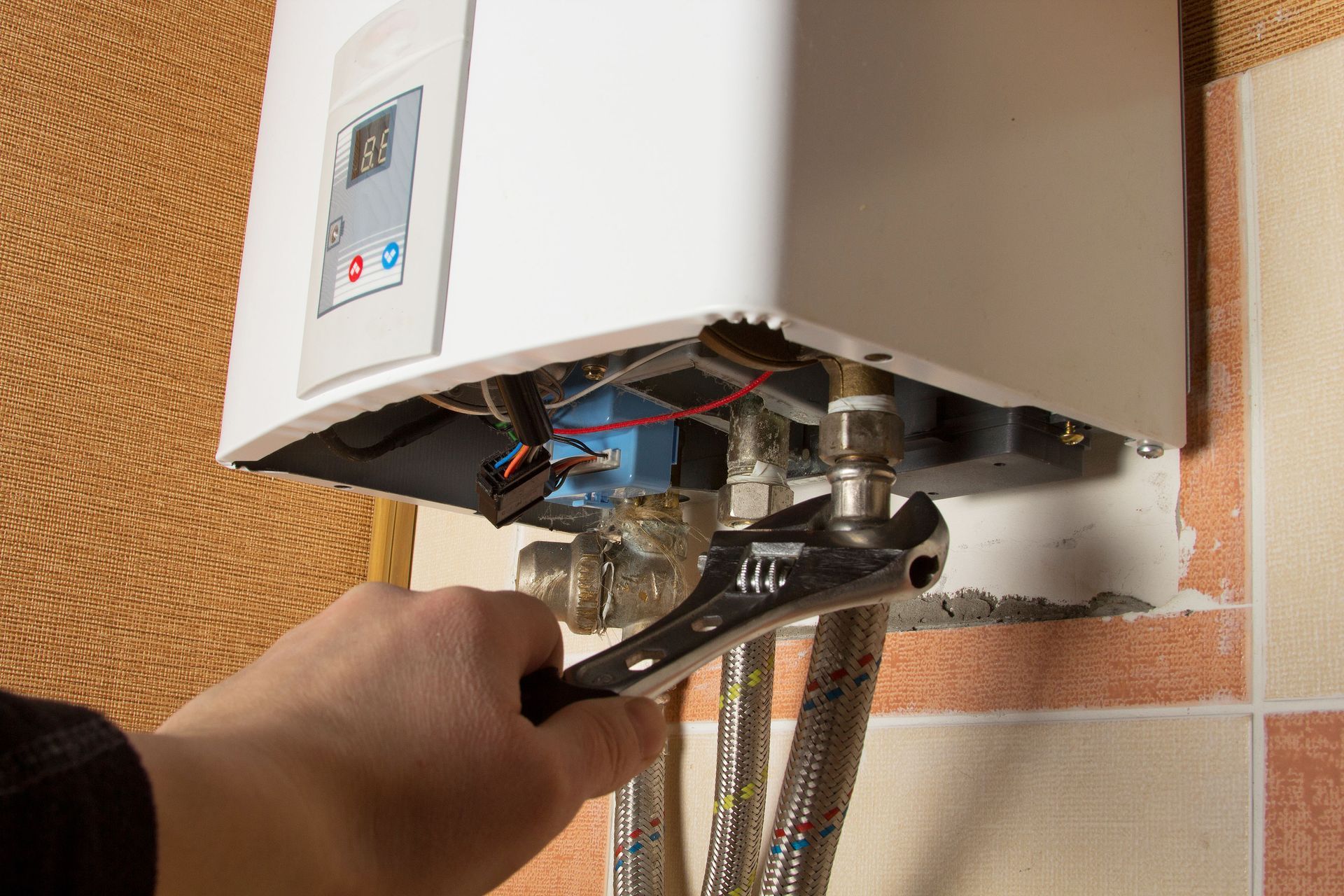
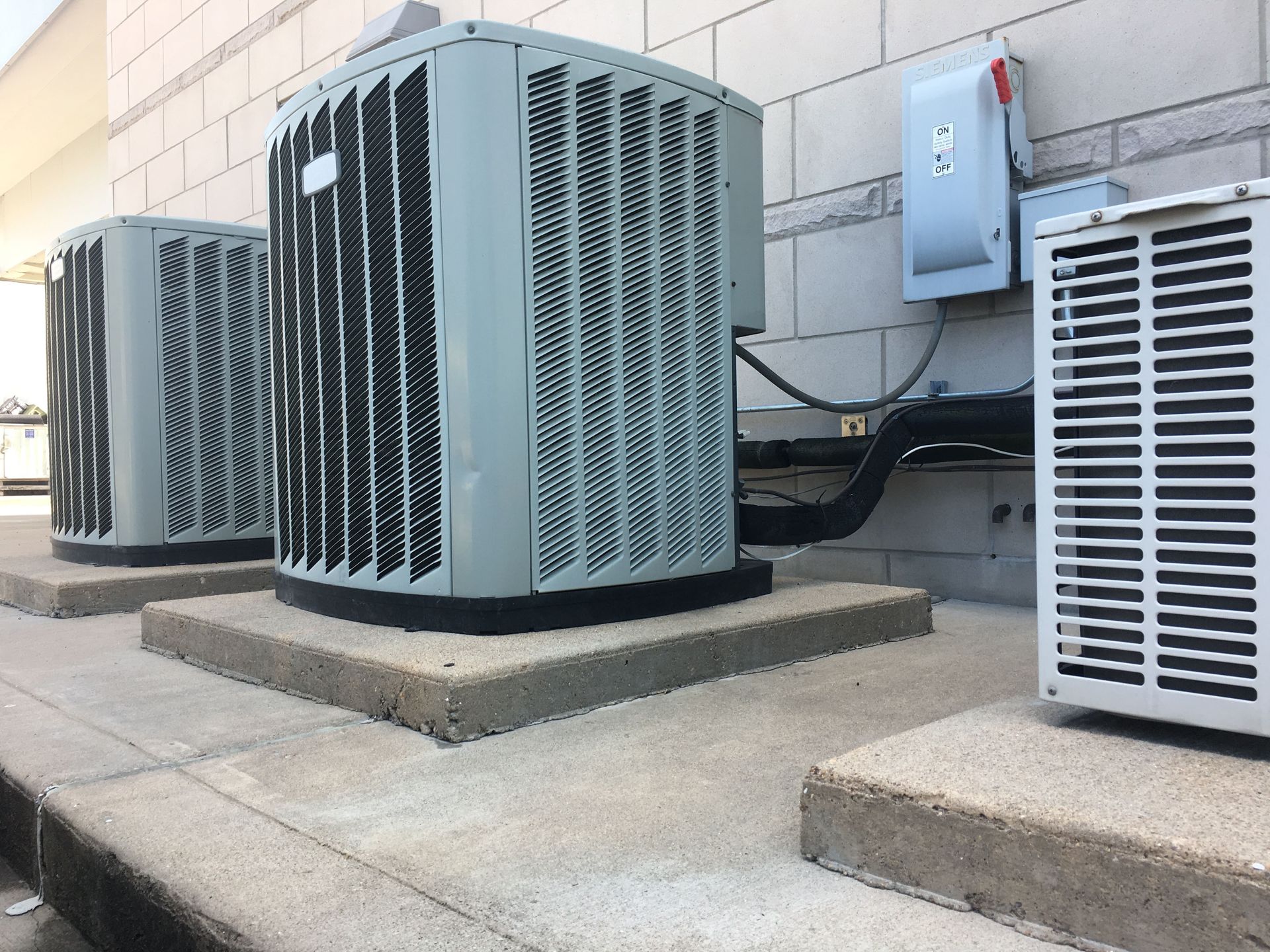
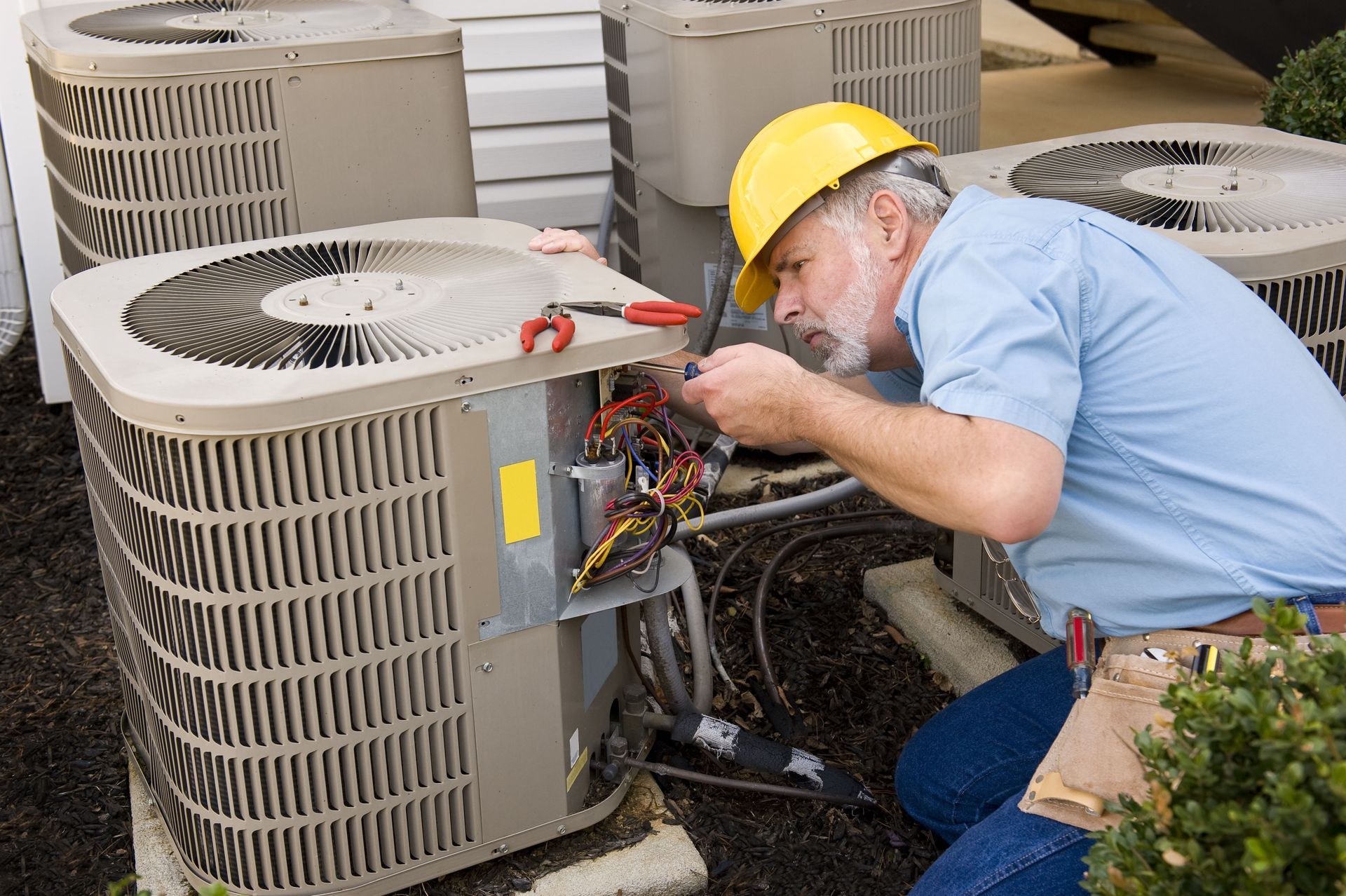
A thorough visual inspection is critical in identifying visible damage or wear and tear on HVAC system components. Technicians physically examine the system, looking for signs of deterioration such as rust, corrosion, or physical damage that could impair functionality. This step is crucial because it is often the obvious defects that cause significant inefficiencies and require immediate attention. In some cases, visual inspections can offer a tangible first-hand account of system conditions that might not be apparent through operational tests alone.
The detailed visual assessment enhances technicians' understanding of immediate and latent issues. They might notice crooked or loose components, malfunctions that could lead to systemic inefficiencies or failures. Moreover, checking for signs of leaking or blocked condensate is vital in maintaining optimal air quality and humidity control. A visual inspection is often complemented by sensory checks, such as unusual noises or vibrations, which may lead from unseen faults. These visual assessments empower technicians to understand system conditions comprehensively.
While simple, this inspection stage should not be overlooked, as it is often pivotal in deciding subsequent maintenance or replacement actions. Small defects can accumulate, leading to larger issues impacting system integrity. Thus, this inspection forms a cost-effective means of preventing premature system degradation or more severe failures. In this way, visual inspections provide the background for larger, more comprehensive diagnostic tests needed for intelligent HVAC service planning. Addressing such concerns becomes additionally essential as improper system diagnoses can exacerbate inefficiencies, especially in under-insulated residences.
Airflow Evaluation
Airflow evaluation comprises a crucial aspect of overall HVAC system assessment. Proper airflow ensures optimal temperature distribution, a key factor in maintaining environmental comfort for building occupants. Technicians measure airflow rates, analyzing potential blockages, obstructions, or imbalances that might hinder appropriate distribution. Evaluation of airflow extends to examining ductwork for leaks, blockages, or disconnections that can lead to inefficiencies in temperature regulation. Efficient airflow management is essential, especially considering the potential exacerbated needs for under-insulated homes nationwide.
If airflow obstructions exist, adjusting fan speeds or balancing dampers may help rectify the inconsistencies. Blocked or improperly sized ducts can lead to loss of conditioned air or less effective cooling or heating, intensifying energy consumption. Evaluations provide essential data to identify corrective measures, such as cleaning, sealing, or optimizing ductwork. Proper airflow facilitates pressure balance, promoting healthier air circulation throughout the space. Overall, evaluating airflow is integral to achieving optimal HVAC efficiency, preventing energy leakages and maintaining preferred comfort levels.
Ductwork Inspection
Ductwork inspection is a critical investigative stage in an effective HVAC system evaluation strategy. The ducts are responsible for delivering conditioned air from the system to living spaces, so any issues within this network can compromise performance and efficiency. The HVAC company assesses the ductwork for leaks, loose fittings, and insulation quality that can result in heat loss or gain, impacting overall system efficiency. Insufficient insulation or damaged ducts result in significant loss of efficiency, particularly exacerbated in structures identified as under-insulated by ENERGY STAR reports.
A comprehensive ductwork inspection can reveal defects compromising system integrity, allowing technicians to address issues with targeted solutions. Correctly sealed and insulated ductwork prevents air leakage, ensuring cooling and heating reach all spaces without constraints. Repairs or upgrades may include sealing leaks, adding insulation, or restructuring poorly installed duct systems. A duct evaluation strategy keeps an HVAC unit operating efficiently while maintaining consistent indoor comfort levels, essential for under-insulated homes where HVAC units overwork to regulate temperatures.
Evaluating an HVAC system involves a comprehensive assessment that considers several factors, from system age to energy usage. Companies need to look at both the past and present performance to identify inefficiencies and areas for improvement. This detailed approach ensures that the system not only meets the current demands but also adapts to future technological advancements for enhanced performance. If you're looking for a dependable
HVAC company, reach out to A-C Specialties, Inc today!