May 13, 2026
As May rolls in across Arkansas, the transition from mild spring weather to the full intensity of summer happens quickly. Warm afternoons become hotter each week, and humidity begins to settle in with little relief. Anyone familiar with the region knows that when peak summer hits, comfort indoors depends heavily on a reliable cooling system. That is why this time of year is ideal for evaluating your HVAC system, preparing it for heavy use, and considering whether services like AC installation may be part of your long-term comfort plan.
According to Business Development Resources, roughly 19% of homeowners are planning to install a new heating or cooling system in 2026, a sign that many households are already thinking ahead about efficiency, performance, and reliability before extreme weather arrives.
Taking action early helps ensure your home remains comfortable, your energy use stays manageable, and your system performs consistently during the hottest months.
Why Early Preparation Matters
Delaying HVAC preparation until temperatures are already high often leads to unnecessary stress. Systems that have been inactive through winter can develop issues that are not obvious until they are placed under load. These may include clogged filters, weakened electrical connections, low refrigerant levels, or worn mechanical parts. In some cases, homeowners only discover these problems when the system fails on a particularly hot day.
This is also the time when many homeowners begin exploring new air conditioning options, especially if their existing system has shown signs of age or declining efficiency. Planning allows more flexibility, better scheduling, and fewer emergency decisions during peak season.
Early preparation is not just about avoiding breakdowns. It also supports long-term cost control. A well-maintained system runs more efficiently, uses less energy, and experiences fewer mid-season failures that can lead to expensive repairs. By addressing potential issues in May rather than July, homeowners reduce the likelihood of discomfort during the most demanding part of the year.
It is also worth noting that early evaluation helps homeowners compare repair costs versus replacement more clearly, especially when weighing the benefits of AC installation for aging systems.
Simple Steps Homeowners Can Take
Before scheduling professional service or considering upgrades to your system, there are several practical steps homeowners can take to prepare their systems for summer demand.
Start with the air filter. A clean filter is one of the simplest yet most effective ways to improve system performance. When filters become clogged, airflow is restricted, which forces the system to work harder and reduces indoor air quality. Replacing the filter at the start of the cooling season helps maintain steady airflow and improves efficiency.
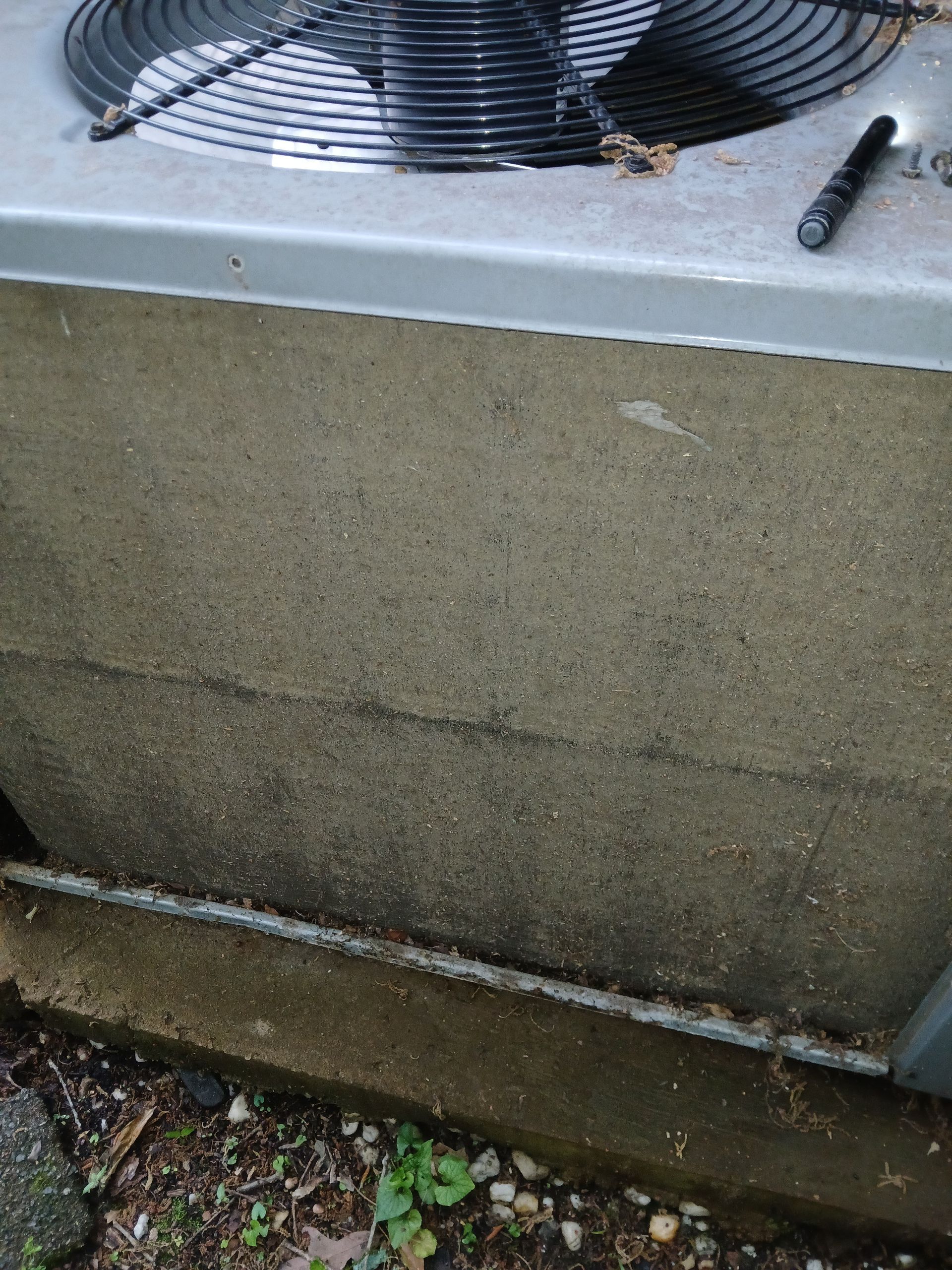
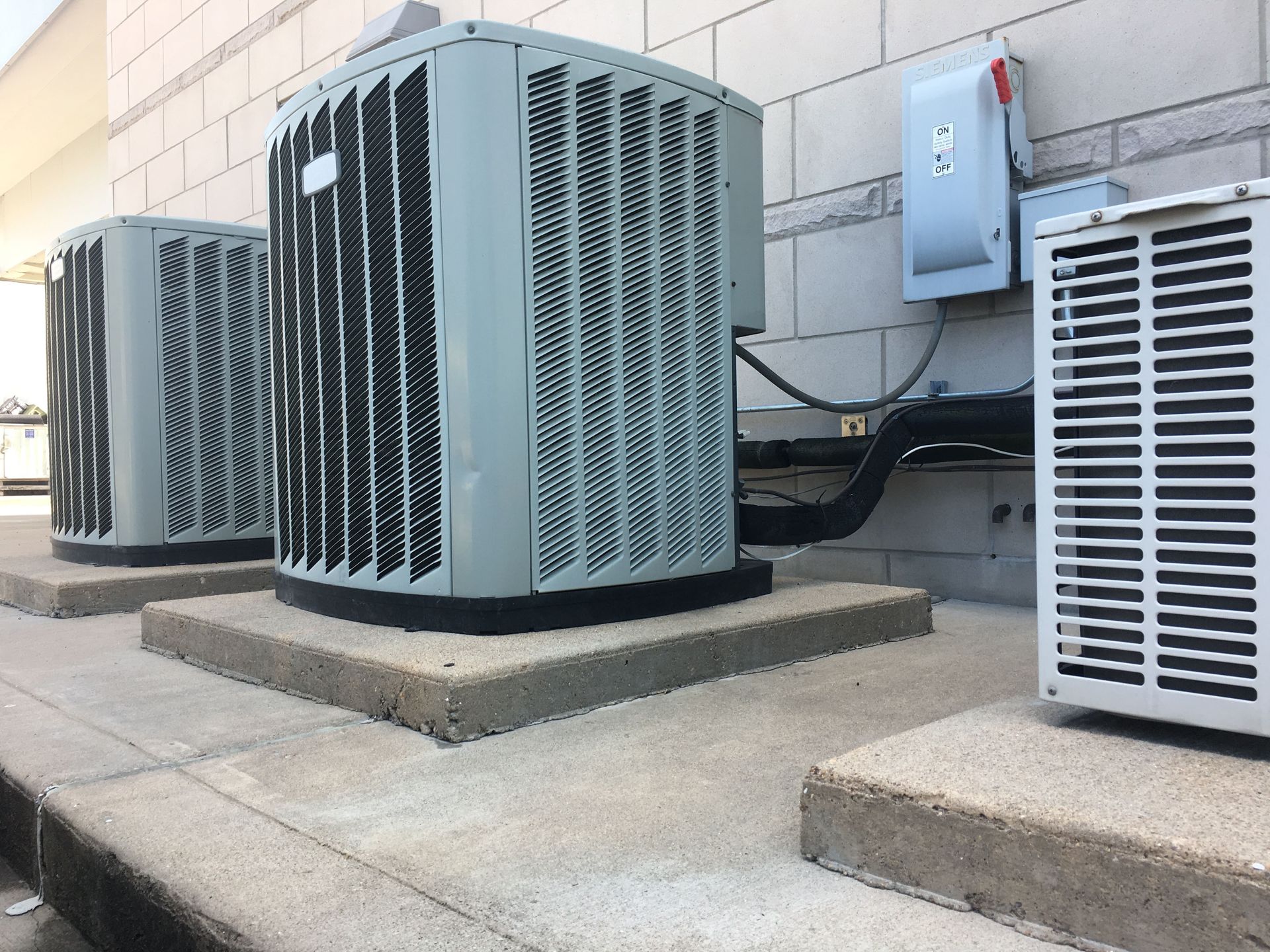
Next, take a look at the outdoor unit. Over the fall and winter, leaves, dirt, and other debris can accumulate around the system. Clearing at least two feet of space around the unit allows for proper ventilation and prevents unnecessary strain on the system. Restricted airflow can reduce cooling capacity and increase energy usage.
Thermostat settings should also be reviewed. If your thermostat is outdated or inconsistent, it may be worth considering an upgrade before peak cooling season. Smart thermostats provide more precise temperature control and can help reduce energy consumption by adjusting settings automatically when you are away.
In some cases, homeowners may notice uneven cooling or rising energy bills even after basic maintenance. These signs may indicate that the system is nearing the end of its useful life, prompting discussions about repair, replacement, or AC installation as a more efficient long-term solution.
The Importance of a Professional Tune-Up
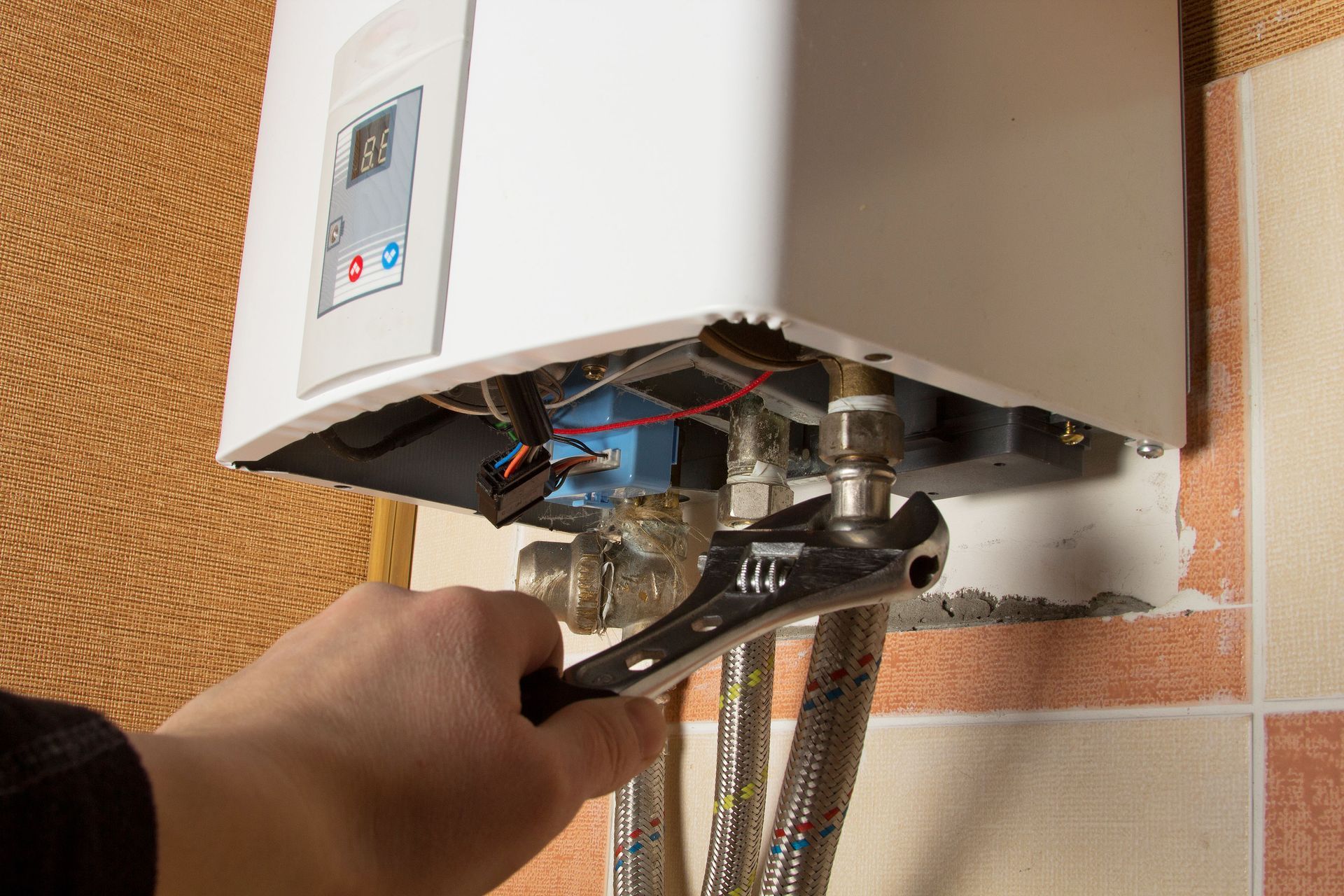
While basic maintenance tasks are helpful, a professional HVAC inspection provides a much deeper level of system evaluation. Technicians are trained to identify early warning signs that may not be visible to homeowners. This includes checking refrigerant pressure, inspecting electrical components, cleaning internal coils, and testing system performance under load conditions.
A seasonal tune-up is also the point where many professionals evaluate whether a system is still operating efficiently or if the home may benefit from AC installation due to aging equipment or repeated repair needs. This assessment helps homeowners make informed decisions before peak temperatures arrive.
In addition to diagnostics, professional maintenance improves overall system efficiency. Clean components and properly calibrated settings reduce energy consumption and help maintain consistent indoor temperatures. Over time, this type of preventive care can extend the lifespan of the system and delay the need for replacement.
A tune-up can also provide useful comparisons between existing performance and modern system capabilities. Newer systems often offer improved efficiency ratings, quieter operation, and better humidity control, which can be particularly valuable in Arkansas summers.
Some homeowners choose to schedule both maintenance and consultation for AC installation at the same time. This allows them to understand their current system's condition while exploring future upgrade options without pressure or urgency.
Energy Efficiency Tips for the Season Ahead
Once your HVAC system is operating correctly, additional steps can help reduce strain and improve comfort throughout the summer.
Start with window coverings. Closing blinds or curtains during the hottest parts of the day helps block solar heat gain, reducing the workload on your cooling system. This simple habit can noticeably improve indoor temperature stability.
Ceiling fans are another effective tool. While they do not lower the room temperature directly, they improve air circulation, which helps rooms feel cooler and allows you to raise thermostat settings slightly without sacrificing comfort.
Sealing air leaks is also important. Gaps around windows, doors, and ductwork can allow cooled air to escape and warm air to enter. Addressing these leaks improves system efficiency and reduces wasted energy.
Household appliance usage can also impact indoor temperatures. Running ovens, dryers, or dishwashers during the hottest parts of the day can increase indoor heat levels, forcing the HVAC system to work harder. Adjusting usage schedules can support overall cooling performance.
Another often overlooked factor is ductwork condition. Even a well-functioning system can struggle if ducts are leaking, poorly insulated, or blocked. Air loss in ductwork can reduce efficiency and create uneven temperatures between rooms. Ensuring ducts are sealed and properly balanced helps the entire system operate more effectively. Homeowners who take time to evaluate airflow distribution often notice improved comfort and lower energy usage without making major equipment changes.
Stay Cool and Stress-Free This Summer
Arkansas summers are known for their intensity, but a well-prepared home can handle the season with ease. Early maintenance, smart energy habits, and attention to system performance all contribute to a more comfortable indoor environment.
For some households, preparation also includes planning for AC installation, especially if their current system is aging, underperforming, or frequently in need of repair. Making this decision early provides more time to compare options, schedule installation at convenient times, and avoid the rush that often comes with peak summer demand.
As temperatures continue to rise, taking proactive steps now can prevent discomfort later. Whether your system simply needs routine care or you are beginning to evaluate AC installation as a future upgrade, May is the ideal time to act.
A small investment of time today can lead to a more reliable, efficient, and comfortable summer season ahead. Scheduling a professional inspection now can also help identify efficiency upgrades that reduce long-term cooling costs and improve overall system performance.